
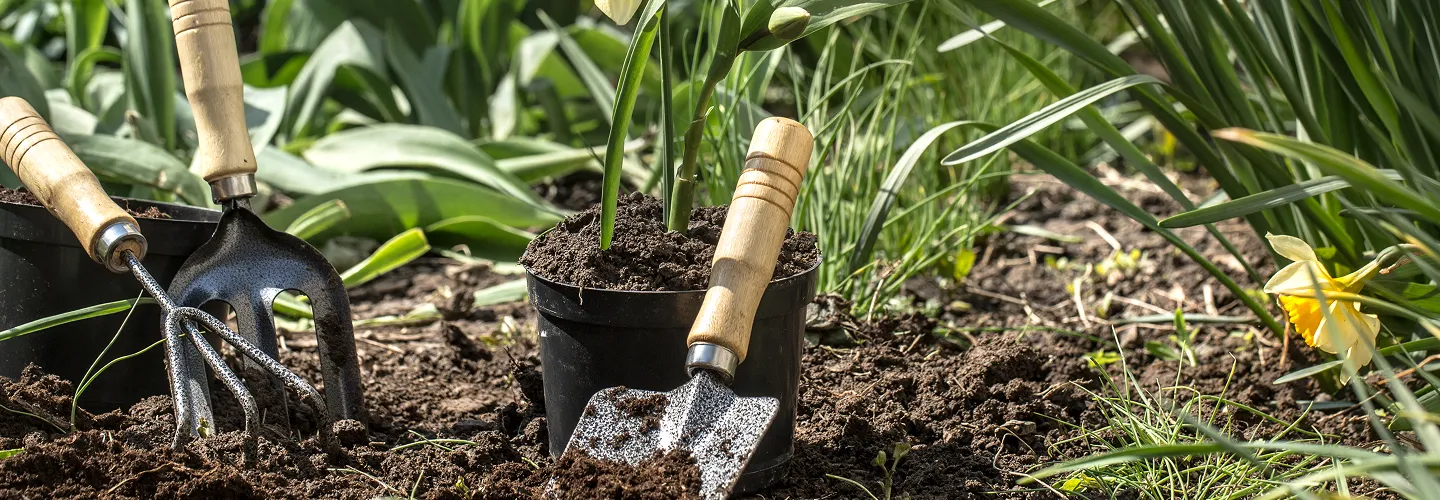
Central City Brush Removal Services
Choose our brush removal experts for fast, reliable service that keeps your land safe, beautiful, and ready for your next project. We handle the tough jobs so you don’t have to.
Get a Free QuoteOur Central City Landscaping & Yard Care Services
When to Schedule Brush Removal in Central City, Arizona – Seasonal Guide
In Central City, Arizona, timing your brush removal is crucial for maintaining a safe and attractive landscape. The region’s unique climate—marked by hot, dry summers and mild winters—means that late winter through early spring is often the best window for brush clearing. This period, just after the last frost and before the onset of summer heat, allows for easier removal and minimizes regrowth. Neighborhoods near Encanto Park and the Roosevelt Historic District, for example, benefit from scheduling brush removal before the monsoon season, when increased humidity and rainfall can accelerate plant growth and complicate cleanup efforts.
Local environmental factors such as drought risk, soil composition, and shade coverage play a significant role in determining the optimal time for service. Areas with dense mesquite or palo verde trees, like those bordering the Salt River, may require more frequent attention due to rapid underbrush accumulation. Additionally, municipal guidelines—available through resources like the City of Sudbury’s website—can influence when and how brush removal should be conducted to comply with local regulations.
Local Factors to Consider for Brush Removal in Central City
- Tree density and species (e.g., mesquite, palo verde)
- Terrain and soil type (rocky vs. sandy)
- Seasonal precipitation and monsoon timing
- Frost dates and temperature fluctuations
- Shade coverage and sun exposure
- Drought risk and water restrictions
- Municipal regulations and neighborhood association rules
Benefits of Brush Removal in Central City

Enhanced Curb Appeal
Improved Property Safety
Prevention of Pest Infestations
Increased Usable Outdoor Space
Reduced Fire Hazards
Healthier Landscape Growth
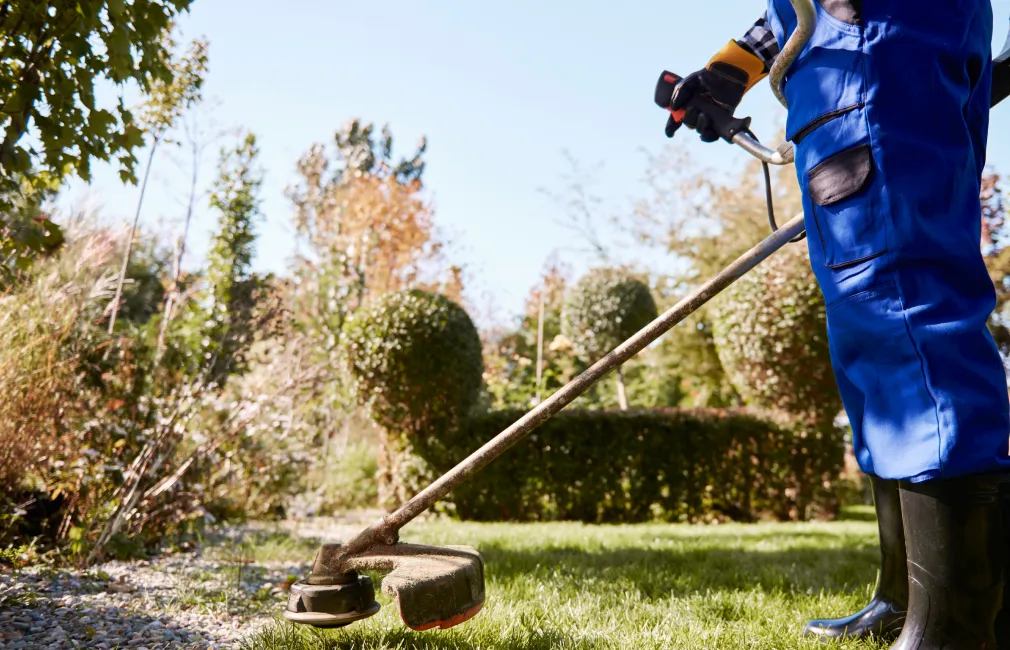
Central City Brush Removal Types

Manual Brush Clearing
-
Mechanical Brush Removal
-
Selective Brush Thinning
-
Brush Mulching
-
Controlled Burning
-
Herbicide Application
-
Stump Grinding
Our Brush Removal Process
Site Evaluation
Safety Preparation
Brush Clearing
Debris Removal
Final Inspection
Why Choose Central City Landscape Services
-
Central City Homeowners Trust Us
-
Expert Lawn Maintenance
-
Reliable Scheduling
-
Competitive Pricing
-
Professional Team
-
Satisfaction Guarantee
-
Personalized Service
Coordinating Brush Removal with Central City's Public Works and Disposal Programs
Central City falls within the Phoenix metropolitan area, and residents must coordinate brush removal activities with municipal departments that oversee green waste handling, right-of-way clearance, and bulk debris collection. Property owners generating significant volumes of brush from lot clearing, storm cleanup, or vegetation management should verify current bulk pickup schedules and accepted material specifications through the city's public works operations. Brush piles placed in the public right-of-way without authorization may trigger code enforcement action, and commercial-scale brush hauling may require coordination with designated transfer stations or licensed disposal facilities.
Key coordination steps for brush removal in Central City include:
- Confirming whether brush qualifies for curbside bulk collection or requires separate hauling arrangements
- Verifying bundling, length, and volume limits for green waste set out at the curb
- Ensuring brush is not staged in drainage easements, wash corridors, or storm-drain inlets
- Contacting public works before placing large brush piles along streets or alleys
Phoenix Public Works Department
200 W. Washington St., Phoenix, AZ 85003
Official Website: Phoenix Public Works
Phoenix City Engineer Department
200 W. Washington St., Phoenix, AZ 85003
Official Website: Phoenix City Engineer
How Central City's Desert Heat and Monsoon Cycles Affect Brush Accumulation
Central City sits in the low Sonoran Desert within USDA Hardiness Zone 10a, where summer temperatures routinely exceed 110°F and annual rainfall concentrates during the July-through-September monsoon season. These conditions directly shape how brush accumulates and how removal must be managed. Palo verde, mesquite, ironwood, and various desert shrubs shed limbs during extreme heat stress, and monsoon microbursts can snap brittle branches and scatter debris across properties and into drainage channels.
Conditions that influence brush removal planning in Central City include:
- Alkaline, calcium-carbonate-rich soils that limit root depth and increase windthrow risk for shallow-rooted desert trees
- Caliche layers beneath the surface that prevent deep anchoring, making limb breakage and uprooting more common during high winds
- Monsoon runoff behavior that carries loose brush into washes, retention basins, and curb inlets, potentially obstructing flood-control infrastructure
- Extreme surface temperatures that accelerate drying of cut brush, increasing fire risk when piles are left on-site for extended periods
Residents near washes and flood-control channels should be especially attentive to brush accumulation after storm events, as debris can redirect water flow and compromise engineered drainage paths. The USDA Web Soil Survey provides parcel-level soil data that can help property managers understand subsurface conditions affecting vegetation stability.
Navigating Central City's Stormwater and Fire Safety Rules for Brush Disposal
Brush removal in Central City must comply with both municipal code requirements and state-level environmental regulations. Loose brush and vegetative debris are regulated under stormwater management frameworks because organic material entering storm drains contributes to water quality degradation in downstream receiving waters. The Arizona DEQ Phase II MS4 program establishes requirements for municipalities to prevent pollutants, including landscape debris, from entering the municipal separate storm sewer system.
Regulatory considerations for brush removal include:
- Brush must not be pushed, blown, or deposited into washes, arroyos, retention basins, or storm-drain inlets, consistent with Clean Water Act discharge protections
- Properties adjacent to designated natural open space or desert preserves may face additional restrictions on vegetation disturbance; verify current requirements through the city's environmental programs office
- Accumulated dry brush near structures can constitute a fire hazard, and the fire department may issue abatement notices for properties where vegetation creates defensible-space concerns
- Disposal of brush through open burning is generally prohibited within the Phoenix metro area; all removed material must be hauled to an approved facility or processed through municipal green waste channels
Phoenix Office of Environmental Programs
200 W. Washington St., Phoenix, AZ 85003
Official Website: Phoenix Office of Environmental Programs
Property owners should also be aware that Arizona DEQ stormwater regulations apply to construction and land-disturbance activities that may accompany large-scale brush clearing on undeveloped or redeveloping parcels.
Timing and Methods for Professional Brush Removal in Central City's Climate
Professional brush removal in Central City requires careful attention to seasonal timing, crew safety in extreme heat, and proper handling techniques that prevent secondary site damage. The optimal window for proactive brush clearing falls between late fall and early spring, when temperatures are manageable for sustained outdoor labor and before monsoon winds generate additional debris. However, storm-response brush removal is frequently necessary during and immediately after the monsoon season.
- Pre-monsoon clearing (May through mid-June) reduces the volume of loose material available to become airborne or waterborne during storms
- Post-monsoon cleanup (late September through October) addresses storm-generated debris before it dries and becomes a fire concern heading into the dry fall months
- Cut-and-stack methods should keep brush piles away from block walls, structures, and utility equipment to reduce fire exposure and allow equipment access for hauling
- Chipping on-site is appropriate for smaller volumes and produces material that can be used as landscape mulch, though chips should not be placed where they can wash into drainage infrastructure
- Mechanical removal using skid-steer or loader equipment may be necessary for large lots or post-storm clearing, but operators must avoid disturbing drainage grades or compacting soil in wash-adjacent areas
Crews working during summer months should follow heat-safety protocols, including early-morning start times and adequate hydration scheduling. All brush transport vehicles should be loaded and secured to prevent material from scattering along roadways during hauling.
What Neighborhoods Do We Serve Throughout Central City, AZ?
- Encanto-Palmcroft — Mature shade trees and dense ornamental plantings on older irrigated lots generate consistent brush volume, particularly from established olive, ash, and citrus trees requiring periodic limb removal.
- Willo Historic District — Narrow alleys and compact lot configurations in this established neighborhood require careful staging of brush piles to avoid blocking access or encroaching on neighboring properties.
- Roosevelt Row — Mixed-use parcels and infill development sites in this area often require brush clearing as part of site preparation, with attention to stormwater compliance on disturbed ground.
- Garfield — Properties near the Grand Canal corridor should ensure brush removal does not deposit material into the canal right-of-way or adjacent flood-control easements.
- Woodland Historic District — Large residential lots with mature desert and subtropical landscaping produce seasonal brush that must be managed to maintain defensible space and drainage flow.
- Evans Churchill — Redevelopment activity in this neighborhood frequently involves clearing overgrown lots where accumulated brush may contain debris requiring sorted disposal.