
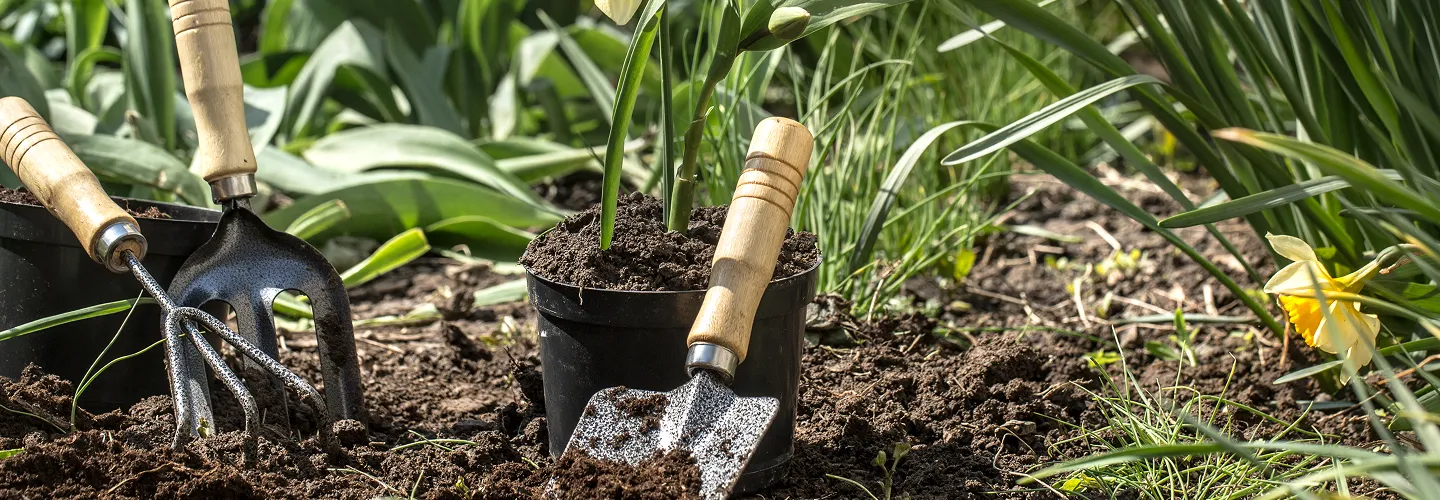
Central City Lawn Edging Services
Choose our Lawn Edging for crisp, clean lines that boost curb appeal and make yard maintenance effortless—crafted with quality materials and expert care for results that last.
Get a Free QuoteOur Central City Landscaping & Yard Care Services
When to Schedule Lawn Edging in Central City, Arizona – Seasonal Guide
In Central City, Arizona, the best times to schedule lawn edging are typically in early spring and late fall. These periods align with the region’s moderate temperatures and reduced risk of extreme weather, making it easier to achieve crisp, clean edges that last. Central City’s unique climate—characterized by hot, dry summers and mild winters—means that timing your lawn care around local frost dates and monsoon patterns is essential for optimal results. Neighborhoods near Encanto Park and the Roosevelt Historic District often experience varying shade coverage and soil types, which can influence how and when edging should be performed.
Local environmental factors such as drought risk, humidity, and the prevalence of clay-heavy soils in areas like the Willo Historic District play a significant role in determining the best schedule for lawn edging. Homeowners should also consider municipal guidelines and seasonal restrictions, which can be found on the City of Sudbury’s official website, to ensure compliance with local regulations.
Local Factors to Consider for Lawn Edging in Central City
- Tree density and shade coverage, especially in historic neighborhoods
- Soil composition (clay vs. sandy soils)
- Seasonal precipitation and monsoon timing
- Frost dates and temperature fluctuations
- Terrain and slope of your property
- Municipal restrictions or water usage guidelines
Benefits of Lawn Edging in Central City
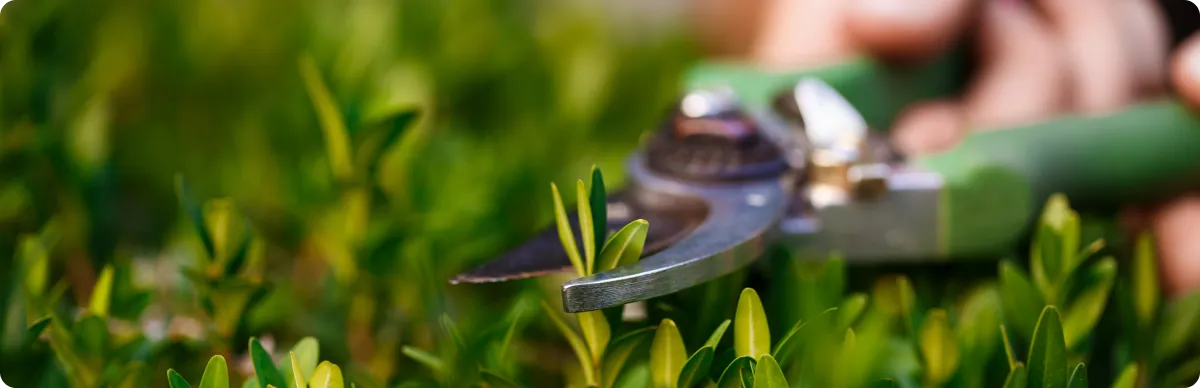
Enhanced Curb Appeal
Weed Growth Prevention
Defined Landscape Borders
Low Maintenance Solutions
Increased Property Value
Professional Installation Expertise
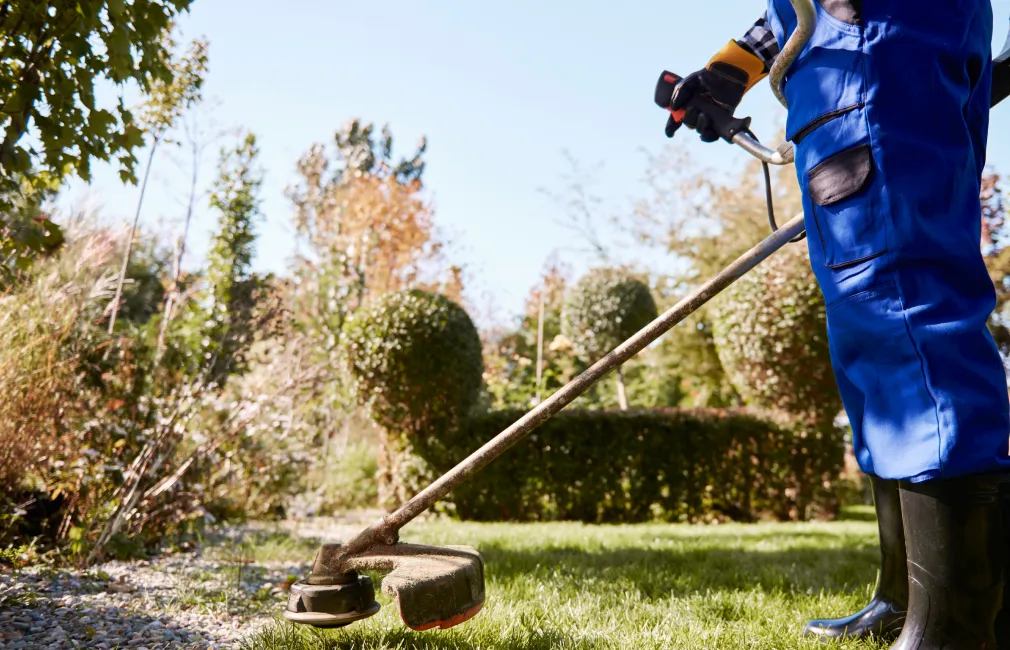
Central City Lawn Edging Types

Metal Lawn Edging
-
Plastic Landscape Edging
-
Concrete Curb Edging
-
Brick Garden Edging
-
Natural Stone Edging
-
Wooden Landscape Borders
-
Rubber Lawn Edging
Our Lawn Edging Process
Site Evaluation
Marking Edges
Cutting the Edge
Debris Removal
Final Inspection
Why Choose Central City Landscape Services
-
Central City Homeowners Trust Us
-
Expert Lawn Maintenance
-
Reliable Scheduling
-
Competitive Pricing
-
Professional Team
-
Satisfaction Guarantee
-
Personalized Service
Coordinating Lawn Edging Services with Central City's Public Works Department
Lawn edging along public-facing frontages in Central City, AZ, requires awareness of municipal infrastructure boundaries and debris management protocols. Central City is situated within the Phoenix metropolitan area, and residents should coordinate with city departments when edging work occurs adjacent to sidewalks, curb lines, or public rights-of-way. Grass clippings, soil fragments, and organic debris generated during edging must not be swept or blown into street gutters, storm drain inlets, or drainage channels. The Phoenix Public Works Department oversees street maintenance and stormwater inlet protection, and property owners should verify current green waste disposal and bulk pickup procedures before scheduling edging projects that produce significant trimmings.
- Confirm right-of-way boundaries before edging along sidewalks or curb strips
- Keep all edging debris—soil, clippings, and root material—out of storm drain inlets
- Verify green waste collection schedules and container requirements through Public Works
- Coordinate with the city if edging work requires temporary use of the public sidewalk or street shoulder
Phoenix Public Works Department
200 W. Washington St., Phoenix, AZ 85003
Official Website: Phoenix Public Works Department
How Central City's Desert Heat and Alkaline Soils Affect Lawn Edging
Central City falls within USDA Hardiness Zone 10a, characteristic of the low-desert Phoenix metro region. Summer surface temperatures on concrete and asphalt borders regularly exceed 150°F, which directly impacts turf edges adjacent to hardscape. Bermudagrass—the dominant warm-season turf in this area—tends to send aggressive stolons across sidewalk joints, expansion cracks, and decorative borders, requiring frequent mechanical edging to maintain clean lines. The University of Arizona Cooperative Extension notes that bermudagrass thrives in alkaline, calcareous soils common throughout the Phoenix basin, and its vigorous lateral growth intensifies edging demands during the active growing season from April through October.
- Alkaline sandy loam and caliche layers beneath many Central City lots can deflect edging blades and dull equipment rapidly
- Reflected heat from block walls, driveways, and patios accelerates turf encroachment into hardscape joints
- Irrigation overspray along turf-to-hardscape transitions promotes edge growth and increases the frequency of edging cycles
- Monsoon-season runoff can erode exposed soil along freshly cut edges, particularly on lots graded toward washes or retention basins
Soil conditions documented through the USDA Web Soil Survey for the greater Phoenix area confirm that many residential parcels contain compacted subdivision fill over native caliche, which affects root depth and lateral spread patterns along lawn perimeters.
Navigating Central City's Stormwater and Property Maintenance Regulations for Edging
Property owners and managers in Central City must ensure that lawn edging practices comply with stormwater quality requirements enforced under the Arizona DEQ Phase II MS4 program. Edging debris—including soil, grass clippings, and root fragments—constitutes a potential sediment discharge when it enters curb inlets or drainage channels. Under the Clean Water Act, municipalities within the Phoenix metro area are required to prevent pollutant-laden runoff from reaching waters of the United States, and landscape maintenance activities fall within that regulatory scope.
- Edging operators should collect and contain all displaced material on-site rather than allowing it to migrate into the street or gutter
- Properties adjacent to washes, flood-control channels, or retention basins should maintain a stable vegetated buffer along the turf edge to prevent erosion
- Verify current property maintenance code requirements through the city, as overgrown or unmaintained turf edges along public frontages may trigger code compliance action
Phoenix City Engineer Department
200 W. Washington St., Phoenix, AZ 85003
Official Website: Phoenix City Engineer Department
The Arizona Department of Water Resources also provides landscaping guidance relevant to irrigation management along edged turf borders, particularly where overspray onto sidewalks or streets contributes to water waste and runoff.
Timing and Methods for Professional Lawn Edging in Central City's Climate
Effective lawn edging in Central City requires alignment with the bermudagrass growth cycle and the region's extreme seasonal temperature swings. The Turfgrass Maintenance Guide for Low Elevation Arizona identifies the peak active growth period for bermudagrass as May through September, which is when edging frequency should increase to every one to two weeks. During winter overseed periods with perennial ryegrass, edging frequency may decrease but should continue along hardscape borders to maintain clean separation.
- Mechanical rotary edgers are preferred along concrete curbs and sidewalks for consistent depth and a clean vertical cut
- String trimmers may be used for softer borders along planting beds or decomposed granite transitions, but they tend to produce less precise lines
- Edging depth typically ranges from one to two inches, sufficient to sever bermudagrass stolons without damaging irrigation lines buried near the surface
- Schedule edging early in the morning during summer months to reduce heat exposure for workers and to avoid midday irrigation cycles
- After monsoon storms, inspect edged borders for erosion or sediment displacement and re-establish clean lines before the next mowing cycle
Blade maintenance is particularly important in Central City due to the abrasive nature of alkaline sandy soils and the presence of subsurface caliche, both of which accelerate wear on steel edging blades.
What Neighborhoods Do We Serve Throughout Central City, AZ?
- Encanto – Mature irrigated lots with established bermudagrass lawns and older concrete walkways require frequent edging to control stolon encroachment along cracked or settled hardscape borders.
- Willo – Historic residential properties often feature narrow parkway strips between sidewalks and curbs where precise edging is essential for maintaining neighborhood appearance standards.
- Woodland – Mid-century homes with large shade trees create variable turf density along edges, requiring adjusted edging techniques where root competition thins the lawn perimeter.
- Coronado – Compact lot sizes and close proximity to block walls and driveways intensify reflected heat, accelerating bermudagrass lateral growth and increasing edging frequency during summer months.
- Garfield – Mixed residential and commercial frontages along arterial streets demand consistent curb-line edging to comply with property maintenance expectations and stormwater debris control.
Phoenix Office of Environmental Programs
200 W. Washington St., Phoenix, AZ 85003
Official Website: Phoenix Office of Environmental Programs